
A San Diego family lost tens of thousands of dollars on a house in Mexico.
They had paid for it, then the contract fell apart, NBC 7 San Diego reported in April 2025.
That’s the tricky part about the risks of buying real estate in Mexico: most stay hidden until money changes hands.
Here are the 9 pitfalls of buying property in Mexico that catch foreign buyers most, each with the check that stops it.
Is It Safe for Americans to Buy Property in Mexico?
Buying property in Mexico is safe for Americans when the land is private, the title is clean and your own attorney checks both. Trouble starts when a buyer skips those checks because the deal feels simple.
Foreigners can legally own homes in most of Mexico, as buying property as an American explains. So the real question is whether anyone has checked this home.
Ejido Land You Can’t Legally Buy
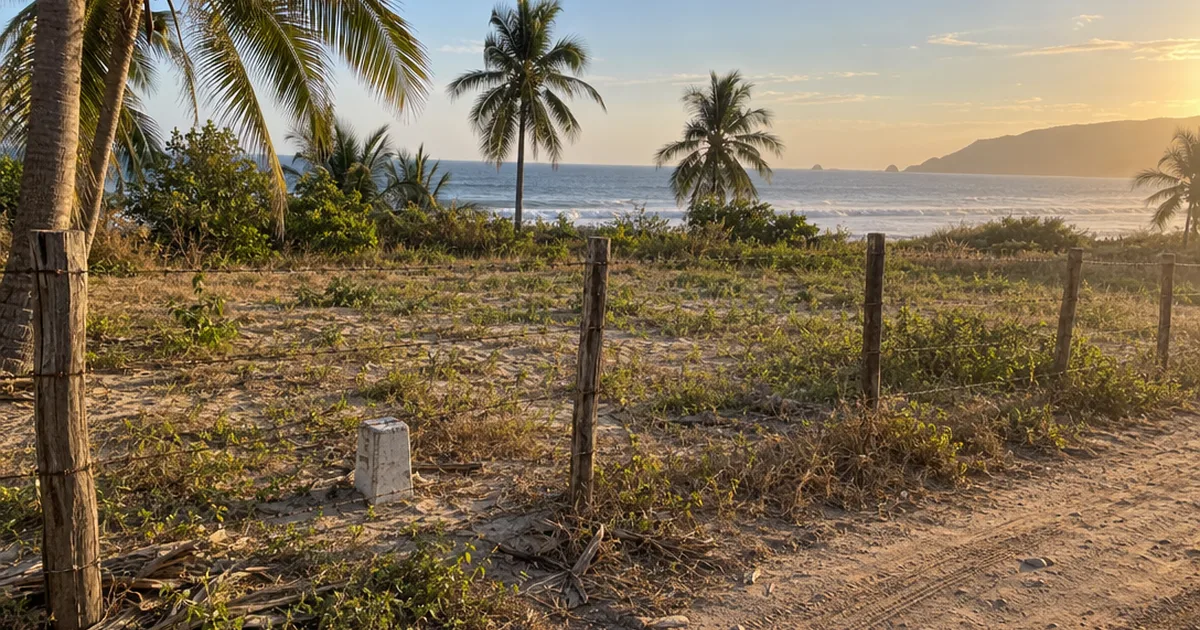
Ejido land is shared farmland owned by a community, and a foreign buyer generally can’t own it until it’s turned into private property. Buying it by mistake can leave you in a legal fight over who owns the home.
Ask your attorney to confirm in the public property registry that the land is propiedad privada, or private property. If a seller says the change is “almost done,” wait, and read how ejido conversion works first.
Restricted-Zone Purchases Set Up the Wrong Way
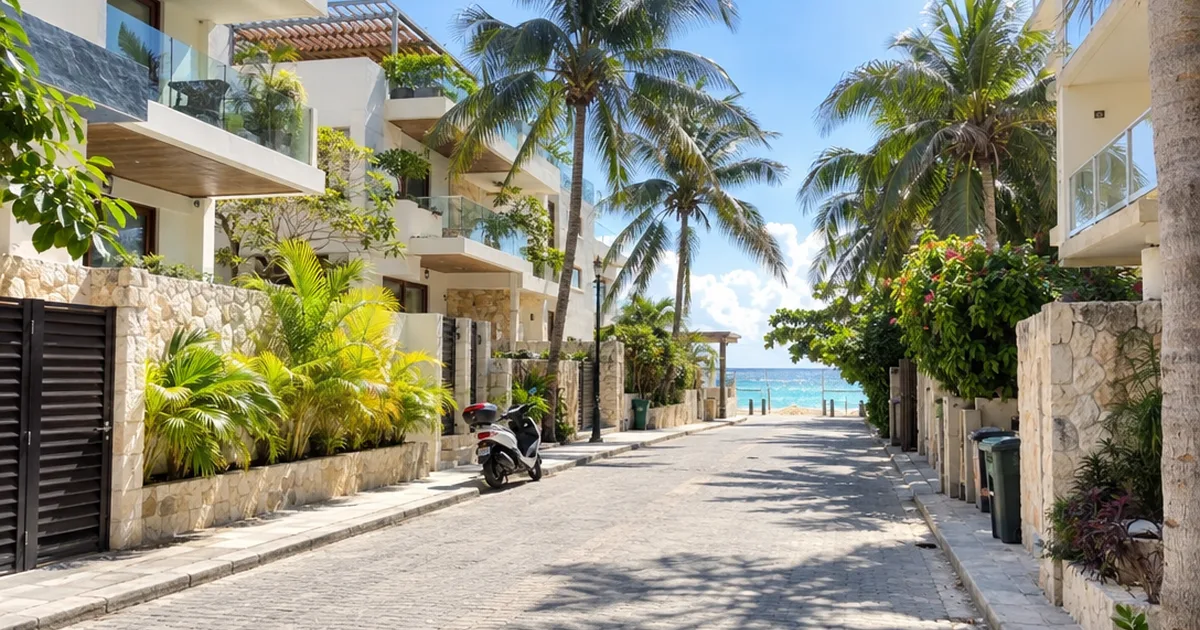
Property in Mexico’s restricted zone, along the coasts and borders, can’t sit in a foreigner’s own name. You hold it through a fideicomiso (a bank trust) or a Mexican corporation.
That zone takes in beach towns like Cancun.
The bank holds the title while you keep the right to sell, rent or leave the home to heirs. That’s how a fideicomiso trust works.
The catch shows up on resale homes. Wise’s guide to buying property says fideicomiso instructions last for 50 years, so check how many years a seller’s trust has left.
Liens, Back Taxes and Debts on the Title
A Mexican home can carry the seller’s old debts, so ask for a certificate of no tax lien before you pay. That document should confirm the home has no outstanding debts, mortgages, tax obligations, foreclosures or pending lawsuits, says NBC 7 San Diego’s buyer guide.
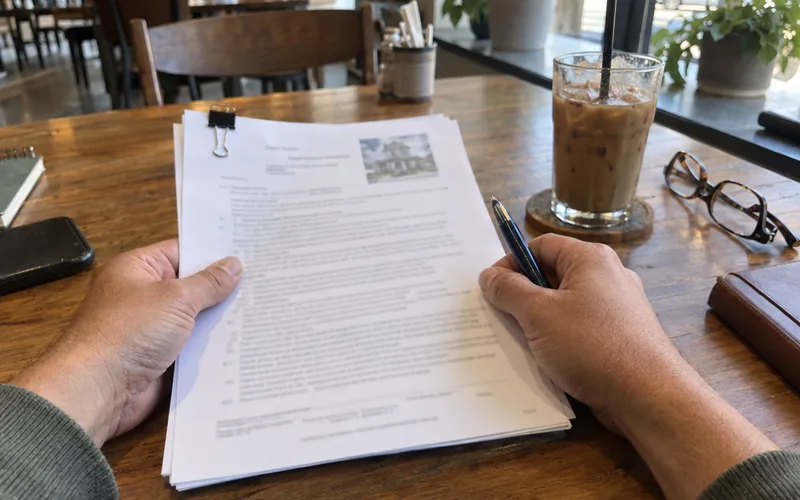
Ask for the seller’s latest property tax and utility receipts too. For a backstop, title insurance in Mexico covers claims against the property’s title that surface later.
Treating the Notario as Your Lawyer
A notario público is a Mexican lawyer who checks that a home can be sold and records the deed. The notario doesn’t negotiate for you or act as your own attorney.
Hire an independent real estate attorney with no tie to the seller or builder. That person handles the due diligence: title, land status, contract terms and zoning.
Unlicensed Real Estate Agents
Real estate agents in Mexico aren’t required to be licensed or trained, says Wise’s property guide. So checking a real estate agent’s track record is up to you.
Here’s what to send: “Could you share 2 recent buyers I can call and the brokerage you work under?” Then compare names against agents with a track record.
A Contract You Can’t Read
A Mexican home sale contract is written in Spanish, and Wise notes that the Spanish copy is legally binding even when you get an English copy. If the two versions differ, the Spanish wording counts.
So have your lawyer or a certified translator read the Spanish version line by line before you sign, whatever was said during negotiations.
Paying in Cash or With No Escrow
Paying cash for a Mexican home puts your deposit at risk, so pay by bank transfer to the person on the title or through escrow. Baja California real estate agent Julian Salas gave that advice to NBC 7 San Diego in 2025:
“Avoid making payments or deposits in cash. Do them through bank transfer, directly to the person in the title.”
Escrow means a neutral third party holds your money until closing. Not every Mexican sale uses it, so ask for an escrow account in Mexico in writing.
Pre-Construction and Long Payment Plans
Pre-construction property in Mexico can stall, change or hit permit problems after you’ve started paying. Ask the builder for the building license and land-use approval, and have your lawyer check both.
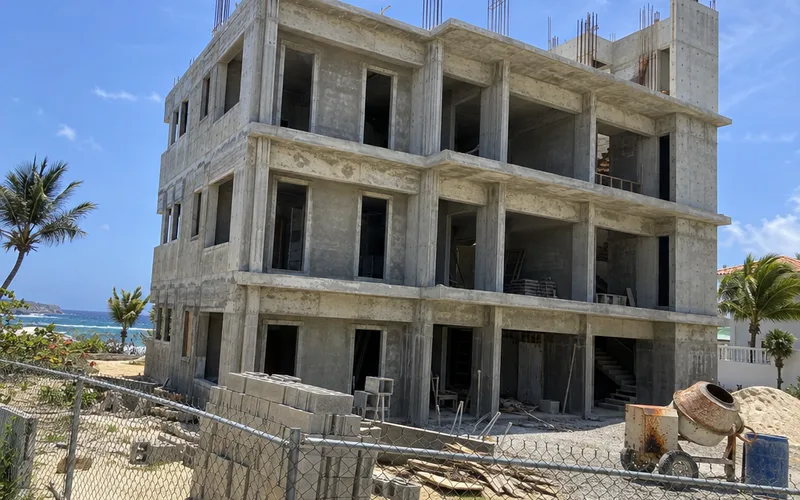
The same goes for long private payment plans. Sign the agreement in front of a notario so no one else can buy the home out from under you.
Taxes You Meet When You Sell
Capital gains tax applies when you sell property in Mexico, and property taxes apply every year you own it. Ask a Mexican tax expert to estimate both before you buy, because your residency status can change what you owe.
Read up on capital gains tax rules and yearly property taxes, so the tax bill doesn’t eat into your investment.
What to Check Before You Pay a Deposit
Before you pay a deposit on a property in Mexico, confirm the land is private, the title is clean, the contract is readable and the payment is traceable. Go in this order:
- The land is private property, not ejido.
- Your own attorney has reviewed the title.
- A certificate of no tax lien shows no debts.
- You or a translator have read the Spanish contract.
- The money goes by bank transfer or into escrow.
- Any fideicomiso is set up, with its years left checked.
Compare recent sales nearby before negotiations start, so you don’t pay far above the property value.
The Bottom Line
Most of the risks of buying real estate in Mexico come down to paying before the checks are done.
This week, ask the seller for a certificate of no tax lien on the home you like, before you send any money.
Still weighing the bigger move? Start with moving to Mexico from the US.
Frequently Asked Questions
Is it hard for an American to buy property in Mexico?
Buying property in Mexico isn’t hard for most Americans, because foreigners can own homes directly inland and through a fideicomiso near the coast and borders. The hard part is the checking, so have your own attorney review the land, title and contract before you pay.
How long does a fideicomiso last in Mexico?
A fideicomiso lasts 50 years, according to Wise’s guide to buying property, and it can be renewed. If the home you want already has a trust, ask how many years are left before you sign.