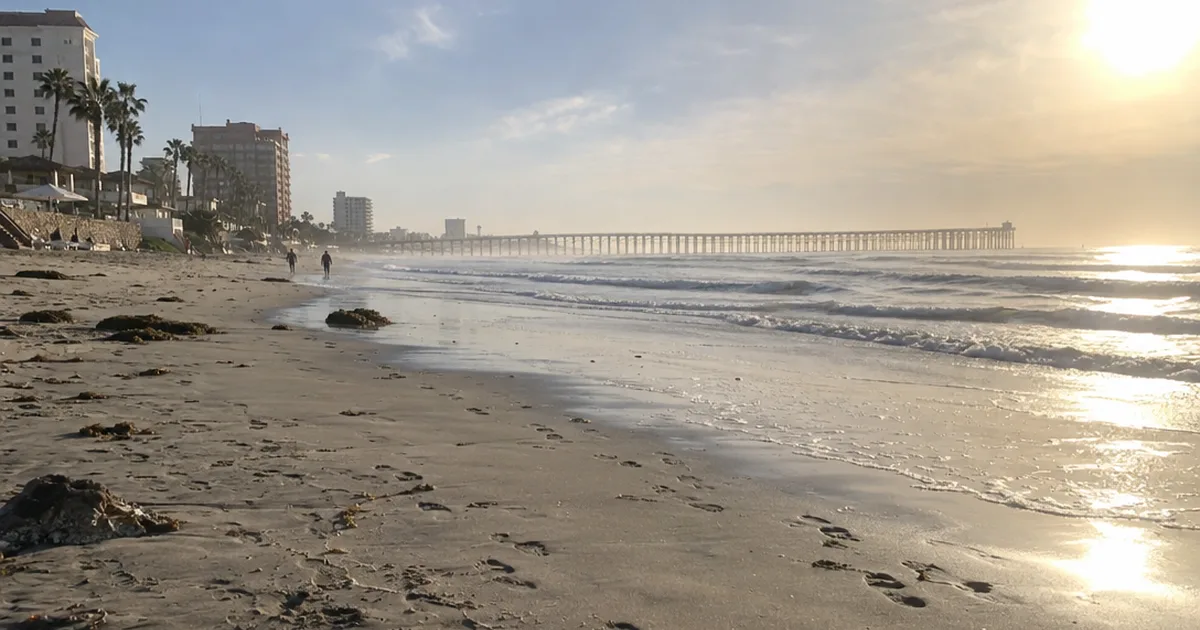

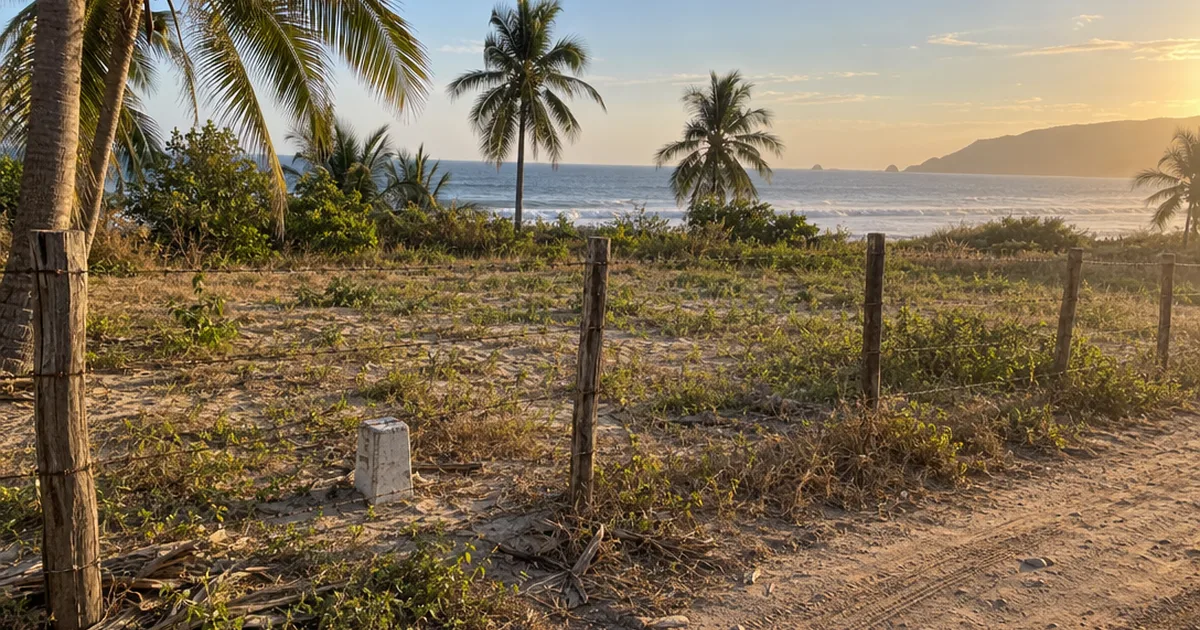
Beach lots in 5 Mexican coastal areas are most likely ejido land.
That’s the warning from MexLaw, a Mexican law firm, which names Playa del Carmen, Cancún, Puerto Vallarta, Oaxaca and the Riviera Nayarit.
So ejidos in Mexico aren’t just history. They decide whether a lot can be yours.
What Is an Ejido in Mexico?
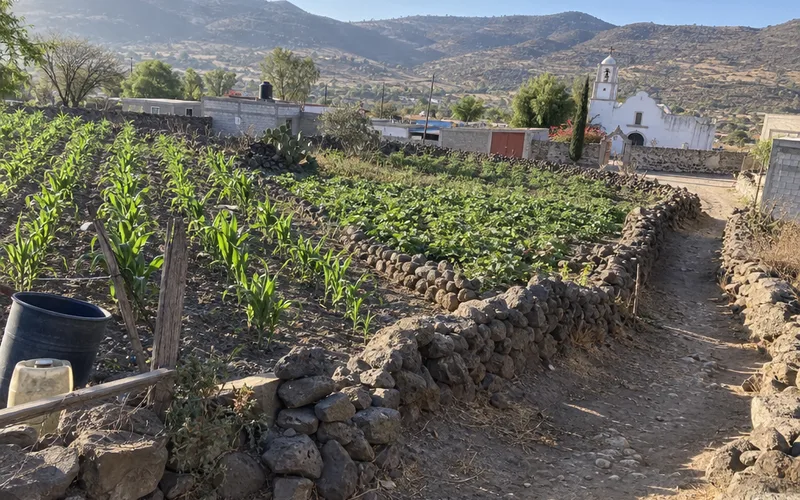
An ejido is a form of communal land ownership in Mexico, first created for farming, as MexLaw explains. The group holds the land, and each member, called an ejidatario, works an assigned plot.
A meeting of all members, the assembly, decides how the land is used. Mexico’s Agrarian Law splits it into 3 types: shared land, the town area and single plots.
Using a plot isn’t the same as owning it.
How the Ejido System Started
Ejidos came from land reform after the Mexican Revolution. The 1917 Constitution, through Article 27, took land from large landowners and gave it to farm towns.
In the 1930s, President Lázaro Cárdenas grew the system.
For decades, nobody could sell ejido land to outsiders. A second land reform in 1992 changed that.
Can Foreigners Buy Ejido Land in Mexico?
Foreigners can’t own ejido land in Mexico directly. By law, ejido land can’t be owned by foreigners because membership is reserved for Mexican nationals, MexLaw says.
The firm names one legal path: making the land a private asset of a Mexican company, which foreigners may set up or join.
The coast adds a second rule. Within 50 kilometers of the sea or 100 from a border, you own through a bank trust called a fideicomiso or a Mexican company.
Here’s how the two kinds of land compare:
| Feature | Ejido land | Private property |
|---|---|---|
| Who holds it | The ejido | One owner |
| Foreigners can own | No | Yes |
| Proof | Plot certificate | Registered deed (escritura) |
So aim for land that’s already private, where the usual rules for Americans owning property apply.
How Ejido Land Becomes Private Property
Ejido land becomes private property through dominio pleno, or full ownership. Here’s how it works:
- The assembly votes to let members fully own their plots.
- The National Agrarian Registry swaps the plot certificate for a title.
- The title is recorded in the Public Registry of Property.
- On the first sale, family, neighbors and the ejido get 30 calendar days to buy first, under the Agrarian Law. The price can’t be below an official appraisal.
If a step was skipped, a court can void the sale.
How to Tell If Land Is Ejido Land
You can tell if land is ejido land by asking for its registered deed, since an ejido plot has only a certificate. MexLaw reported in August 2017 that many ejido lands were being turned into real estate and tourism projects.
Check every coastal deal, even in the Riviera Maya or near Puerto Vallarta, before you send money:
- Ask for the escritura and its public registry record.
- Have your own real estate lawyer confirm the land is private.
- Walk away if the seller says the change is “almost done.”
- Protect your investment with title insurance once the title checks out.
Your Next Step
Buy only private land with a registered deed. Ejido land is one of the risks of buying property that can cost you everything.
This week, ask any seller for the escritura first, then plan the rest of your move from the US.
Frequently Asked Questions
What does ejido mean in English?
Ejido has no exact English word, but the closest translation is communal land. Mexican lawyers also call it propiedad comunal.
Do ejidos still exist in Mexico?
Ejidos still exist in Mexico, and many hold land near beach towns. Some parcels have gone private since the 1992 reforms, but many have not.